
By Suzanne Gough
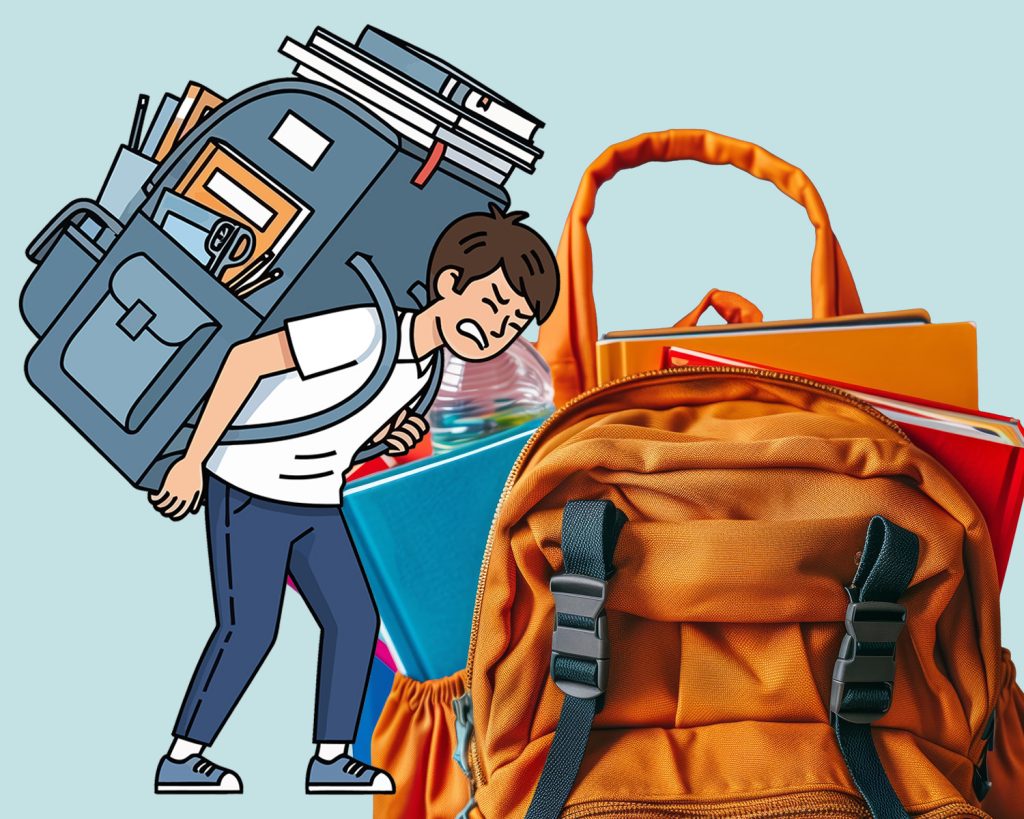
By the time our children reach the school gate each morning, many are already carrying more than just homework and a water bottle. Between laptops, lunch boxes, textbooks and sports gear, their backpacks can weigh enough to rival what some adults haul to the gym.
Our research found that many students regularly carry between 10 and 15 per cent of their body weight on their backs. It’s more than just uncomfortable; studies show it’s linked to changes in posture, altered walking patterns and higher reports of muscle fatigue and back pain. For young bodies still growing and developing it can be a big problem.
Researchers from Bond University and Varsity College on the Gold Coast examined 21 studies from 15 countries and consistently found the same pattern.
Heavier school bags were associated with forward trunk lean, increased muscle strain and ongoing discomfort. Even when pain is mild, the cumulative effect of carrying too much weight every school day over months and years, matters.
The recommendation adopted in many Australian schools is that a child’s backpack should be no more than 10 percent of their bodyweight.
Parents and schools can work together to reduce the risk and protect developing bodies so they can focus on learning, not aching shoulders.
Together these features help keep the load close to the body’s centre of mass, promoting good posture and reducing the forward lean often seen when bags hang low or pull backwards.
Choosing the right backpack
Selecting a well-designed backpack is the first step in reducing strain on growing bodies.
Well designed backpacks typically include:
- Two adjustable, padded shoulder straps
- A firm, padded back panel for comfort
- Multiple compartments to help distribute weight and organise items
- A hip or waist strap where possible.
Children are more likely to wear a backpack correctly if it fits well and feels comfortable, so where possible involve your child in choosing their backpack.
Look for backpacks endorsed by an Australian professional organisation, such as the Australian Physiotherapy Association or the Chiropractors’ Association of Australia.
Avoid buying the largest backpack available – it should be appropriate to your child’s size
Fit and wearing style
Even the best backpack can cause problems if it is not worn correctly.
When fitted properly, a backpack should sit snugly against the back and feel balanced when loaded.
It should also be worn over both shoulders at all times.
Single strap or one-shoulder carrying may seem easier or more fashionable, but it creates uneven loading and alters how children walk. Over time, this asymmetry can increase the risk of pain and injury.
Packing matters
How items are packed also matters.
Pack the heaviest items first, placing them in the centre of the bag and closest to their back, using the compartments to stop items moving when walking.
It’s important to distribute weight evenly and keep external pockets as light and even as possible.
Reduce weight where possible – lighter lunch boxes and drink bottles help – and carry only what is needed for the day, emptying the bag each night.
Small weight reductions, repeated daily, can make a big difference over a school year.
A backpack maybe too heavy if your child:
Warning signs to watch out for
- frequently changes posture when wearing it
- struggles to put it on or take it off
- complains of pain when wearing the pack
- experiences tingling or numbness in arms
- has red marks on their shoulders.
If your child complains of ongoing back, hip or shoulder pain, consult your doctor.
By working together, families, students and schools can reduce unnecessary strain and support healthy growth and learning.
Suzanne Gough is a Professor and Head of Physiotherapy at Bond University.