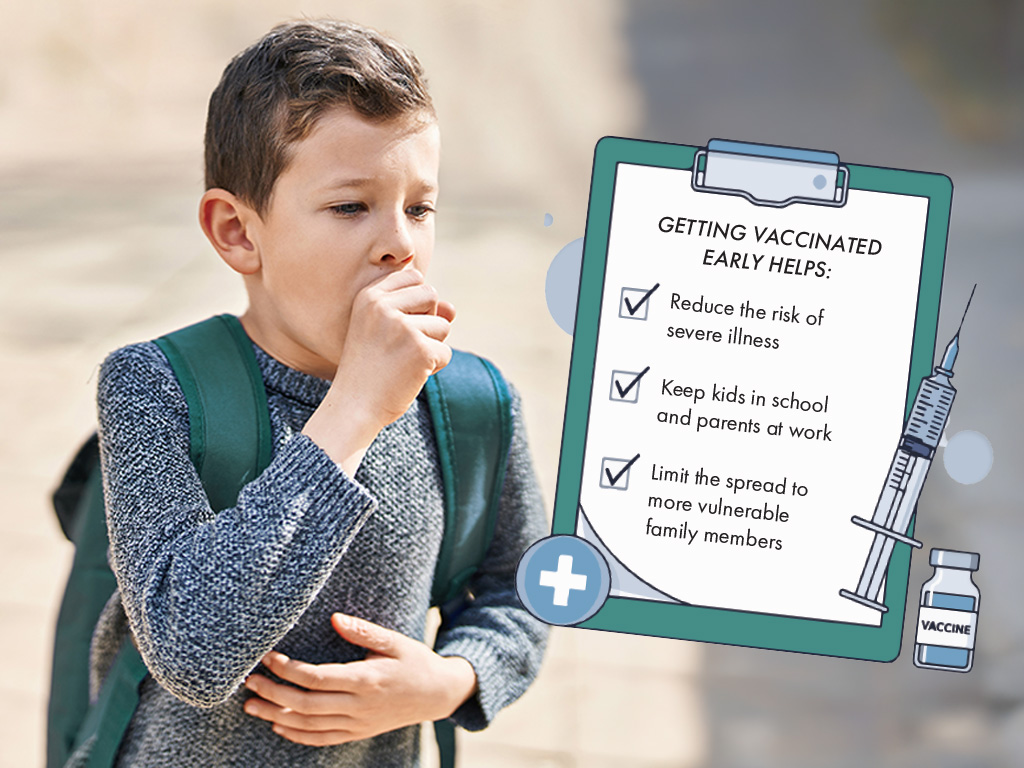
As students winter routines ramp back up, health experts are urging parents to act early, with flu season fast approaching.
Australia recorded more than half a million flu cases last year, the highest on record, with early data already pointing to another strong season ahead. Children are among the key drivers of transmission, often bringing illness home to families.
The first few weeks back at school after the break are a critical window. Schools are one of the fastest environments for viruses to spread: new classrooms, shared spaces and kids back in close contact.
The good news is there are a few simple things parents can do now to reduce the risk and keep their kids well for the term ahead.
Book your flu vaccination early
The most effective way to protect children from influenza is annual vaccination. Vaccination remains the best protection we have against serious illness from the flu. But one of the biggest misconceptions is that you wait until flu is already circulating before acting; by then, you’re already behind.
For families with needle-nervous kids, there are now more options available. One of the newer options this year is a nasal spray flu vaccine, which can be a great alternative for children who are anxious about needles. The key message is simple; whether it’s the nasal spray or the injection, getting protected early is what matters most.
Build good hygiene into their daily routine
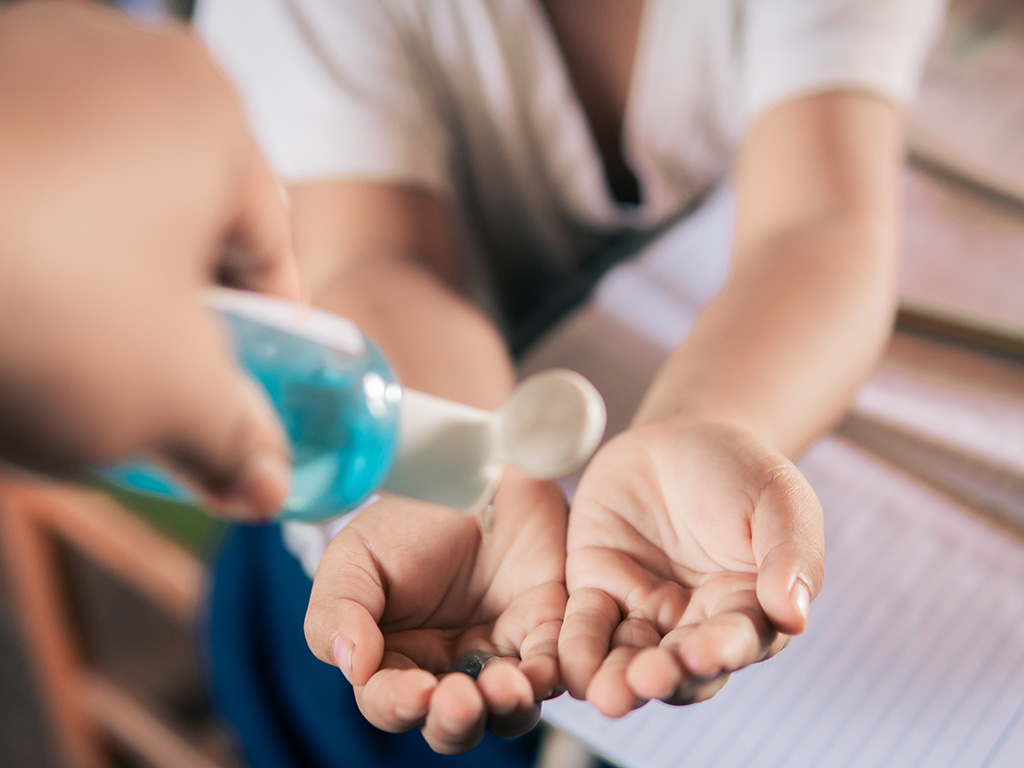
Hand hygiene remains one of the simplest and most effective ways to stop the spread of illness. Kids don’t naturally think about hygiene; it needs to become part of their routine. Before eating, after the playground, after the bathroom; those are the key moments to reinforce. A small hand sanitiser in the school bag can help when soap and water aren’t available.
Make handwashing stick (and actually work!)
It’s not just about washing hands; it’s about washing them properly. A quick rinse isn’t enough. We want kids washing for at least 20 seconds and covering all areas of their hands.
A simple trick for parents: Get them to sing ‘Happy Birthday’ twice while washing; it sounds basic, but it works and kids remember it.

Teach cough and sneeze etiquette early
Respiratory droplets are one of the main ways flu spreads in classrooms. Teaching kids to cough or sneeze into their elbow instead of their hands is a small habit that makes a big difference. Packing tissues in school bags also helps reinforce the habit and reduces the spread to shared surfaces.
Don’t underestimate the importance of staying home when sick
One of the biggest drivers of flu outbreaks in schools is children attending while unwell. It can be inconvenient but keeping kids home when they’re sick is one of the most important things parents can do. It protects other students, teachers and families; particularly those who are more vulnerable.

Accessible protection for busy families
For many families, convenience plays a very big role in staying on top of their health.
Australians visit their local pharmacy around 18 times per year, making it one of the most accessible healthcare touchpoints in the community. For busy parents, being able to walk into a pharmacy and get vaccinated without needing to wait for a GP appointment makes it much easier to stay protected.

The bottom line
Flu isn’t just a bad cold; it can have a real impact on kids, families and school communities. A few simple steps – especially vaccination and good hygiene – can go a long way in keeping children healthy, in school, and learning.
TerryWhite Chemmart is one of Australia’s leading community pharmacy networks, with more than 630 pharmacies nationwide. Dedicated to accessible, frontline healthcare, TerryWhite Chemmart pharmacists deliver vaccination services, prescribing, health screenings and personalised advice, supporting communities with integrated, patient-centred care.
Kate Gunthorpe (BPharm, GradCertAdvPracPresPharm, GradCertPubPolicy, MPS) is Deputy Chief Pharmacist for TerryWhite Chemmart. In her role, Kate supports pharmacists across the country to deliver safe, accessible clinical care in community pharmacy, including vaccinations and the expanding scope of pharmacist prescribing.
Peninsula Kids Magazine Winter 2026