

No safe shortcuts to boys’ achievement of body image and performance goals
By Dr Tim Moss
Whether it’s energy drinks, supplements or steroids, there are all sorts of things available to tempt kids who want to enhance their performance and reach their goals. It’s important to encourage kids to be the best that they can be, and to support them to be physically active. But there are risks associated with energy drinks, supplements and steroids, particularly for developing bodies and minds. Boys’ high rates of use, propensity for risk taking, and their competitive nature place them particularly at risk.
The evidence tells us that more than half of Australian boys in secondary school have consumed energy drinks containing caffeine, with around 1 in 8 boys drinking them at least once a week. Use of body building supplements may be just as common, with one study finding that 12.7% (almost 1 in 8) of Australian boys aged 13-16 years answered yes to the question, “Have you used supplements to build muscles or burn fat? These are things like protein powder, creatine, testosterone booster, or fat burners like green tea extract [in the last 3 months]” and another study showing that half of year 10 students at a Melbourne independent boys’ school were taking muscle-building supplements. The most recent survey of “Australian secondary school students’ use of alcohol and other substances”, conducted in 2022/2023, found that 2.3% of students aged between 12 and 17 years had ever used steroids.
The high sugar content of energy drinks has the usual negative effects of high sugar, including tooth decay, weight gain and risk of metabolic and cardiovascular disease. The high caffeine levels of energy drinks have been associated with; irregular heart rhythms and palpitations; headache; reduced sleep quality and time; hyperactivity and inattention; anxiety and depression; risk-taking behaviours; suicidal thinking; use of alcohol and other drugs; poor academic performance; poor diet; stress; and emotional difficulties. There is no good quality evidence showing that these drinks actually improve physical performance in children and adolescents.
When it comes to supplements – whether they’re pills, powders or drinks to build muscle, reduce fat or increase endurance – there’s limited evidence showing that they are effective. For the most part, supplements are unnecessary for children and adolescents. A healthy diet can provide most kids with all the vitamins, minerals and nutrients they need.
One of the major concerns about supplements is what they contain in addition to the ingredient that they’re being taken for. Supplements used for bulking up have high energy content, which can cause accumulation of body fat. Other bodybuilding supplements may contain harmful contaminants (e.g. heavy metals, amphetamines and other drugs) with definite negative health effects.
A worrying aspect of supplement use is its association with adolescent males’ positive attitudes towards the use of anabolic-androgenic steroids, like testosterone (the main male sex hormone) and synthetic derivatives (e.g. nandrolone, stanozolol, trenbolone), with the goals of increasing physical performance and/or achieving desirable changes to the appearance of their bodies. Teen boys who use supplements have positive attitudes towards the use of anabolic androgenic steroids, and are more likely than their non-using peers to begin using them.
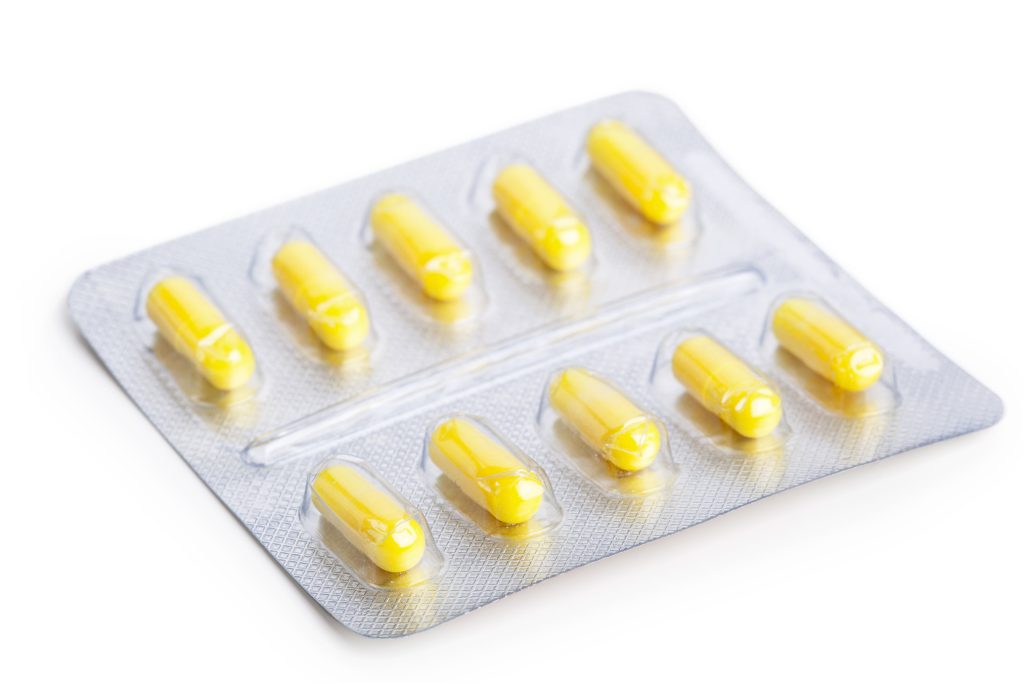
Using steroids for performance enhancement or to achieve desirable changes in appearance is dangerous. That’s why the supply or possession of testosterone and similar drugs without a prescription for a valid medical reason is illegal.
Teenage boys’ use of steroids is influenced by their peers, a desire for improved physical performance, and body image concerns.
We have known for decades of serious health problems caused by high-dose steroid use, including; liver toxicity resulting in damage, cancer and/or failure of the liver; adverse changes in blood cholesterol levels that cause damage to blood vessels; high blood pressure and adverse changes in heart structure and function; dysregulation of reproductive hormones resulting in testicular shrinkage, impaired sperm production, and feminisation (e.g. high voice, development of breast tissue); tendon rupture; acne; premature balding; and psychological problems like anxiety, depression, aggression, impulsivity, sleep disorders and mood instability.
When teenaged boys use steroids, they can interrupt normal development and maturation processes that are usually regulated by normal testosterone levels. There are very few studies of the long-term effects of steroid use by teenaged boys, but the limited evidence we have, what we know about biology, and results from animal experiments suggest permanent effects on brain development that result in greater impulsive behaviour and decreased attention. It’s reasonable to expect similar long-term effects on the reproductive and musculoskeletal systems.
New generations of synthetic drugs designed to mimic the muscle-building effects of testosterone without some of the unwanted side-effects are unproven, unapproved, illegal and can introduce a whole new set of complications, like person-to-person transfer through sweat or sexual activity.
So how do we protect our kids from the dangerous effects of all these supposed performance enhancers and short-cuts to achieving body image ideals? To begin with, remember that a healthy diet can provide all the nutrients needed for you and your family. When it comes to training, puberty is like a superpower already. A healthy body is already primed to take advantage of the developmental potential of this stage of life. Childhood and adolescence are stages of profound growth, development and maturation that can be derailed by substances that interfere with cellular processes. Our kids – especially boys – need to be taught about the complications and potential dangers of energy drinks, supplements and steroids.
If you’re worried about your child’s body image, visit butterfly.org.au
For information about men’s and boys’ health, visit healthymale.org.au
A new season of Healthy Male’s Dad Starts Now podcast just dropped! From infertility and IVF to pregnancy complications, parental leave, perinatal mental health and early parenting, the podcast brings together real stories and expert insights to offer practical guidance and different perspectives on fatherhood, with something for everyone. Check out healthymale.org.au/podcast to listen.