
By Mia Barnes
For youngsters, long summer days are an idyllic part of childhood. but did you know that THE WAY your little ones have fun can have a big impact on their development? Here’s how to encourage independent play and why it’s important.
Why Independent Play Matters
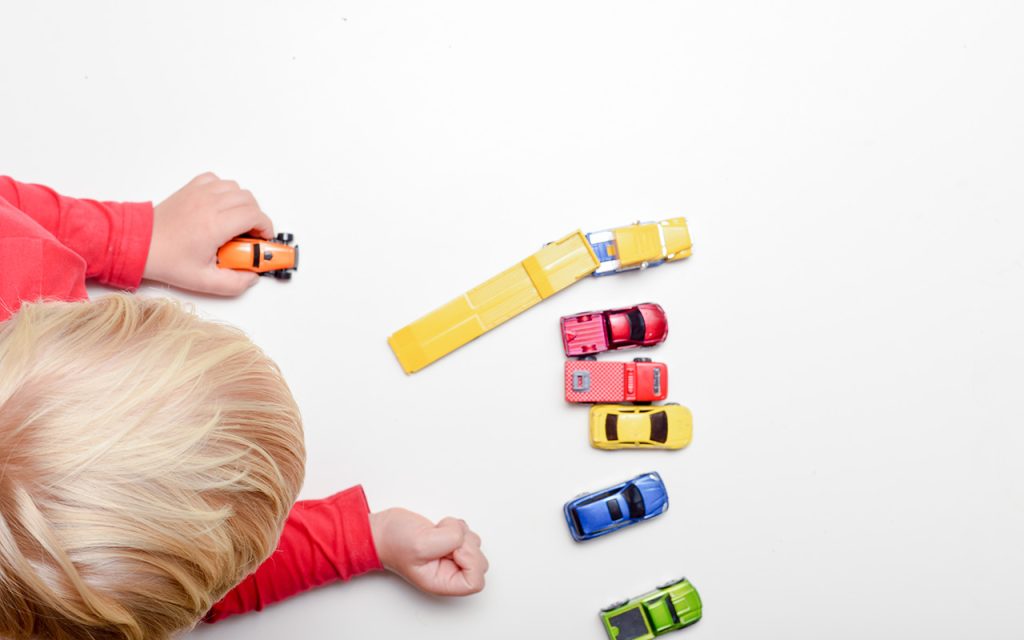
Playing alone, without being directed by an adult, helps kids develop problem-solving and reasoning skills. It nurtures imagination and creativity and can lead to stronger self-confidence and self-reliance.
Crucially, independent play also leads to better emotional self-regulation, according to a long-term study of thousands of Australian toddlers and children. The ability to manage emotions in a healthy way positively impacts a wide range of vital abilities in later life, such as academic success and adult health.
Independent play is also good for you as a parent because it gives you some vital free time and breathing space while the kids are safely entertaining themselves.
5 Ways to Encourage Independent Play This Summer
Children love to have fun, but sometimes, they need a little help in getting used to playing alone. Here are some ways to build this habit.
1. Have Realistic Expectations
Playing alone is a skill that comes with age and experience. However, by the age of two most children can amuse themselves for around 30 minutes at a time. If your kids are used to having your constant attention, start with short daily periods of independent play. By sticking to the routine, it will become a normal, highly enjoyable part of their day.
2. Create a Safe Indoor Play Space
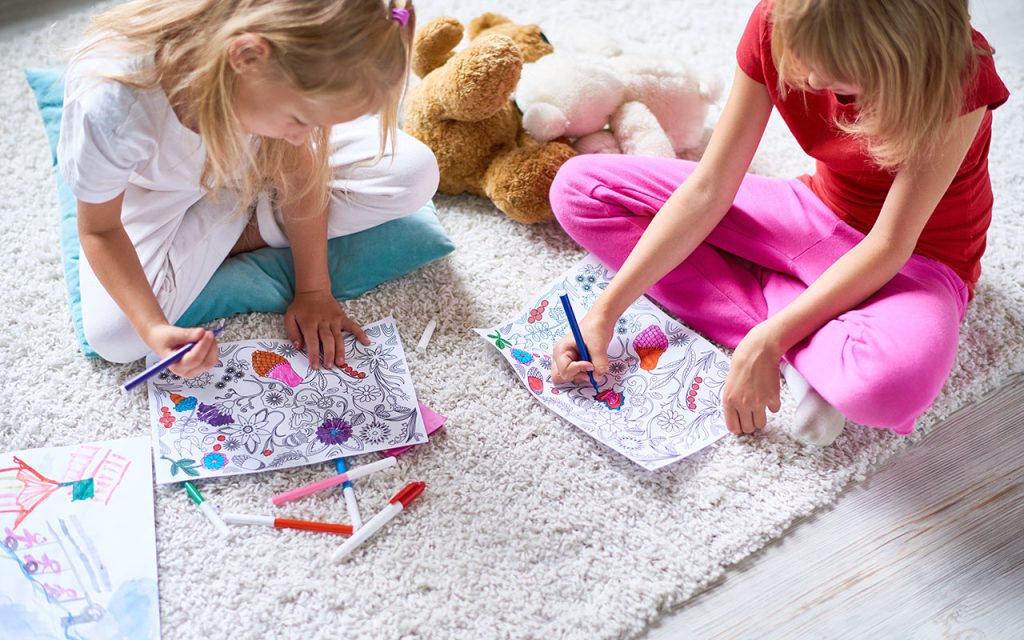
Children don’t like feeling banished to their bedrooms, so create a safe space within the house where they still feel part of the family but can be left to their own devices. Child-proof this area according to your little one’s age and abilities. Stock it with toys and open-ended materials that they can choose from, such as dress-up items, blocks or art supplies.
Be sure that toys and activities are not too advanced for your child’s age so that they don’t become frustrated. Store everything safely within their reach and rotate toys and supplies regularly to keep things interesting.
3. Visit Safe Outdoor Play Spaces
Aside from your yard or living room, playgrounds are an amazing space for independent play. Swinging, climbing, jumping and balancing build your child’s sensory awareness, which improves their cognitive skills later on. Playgrounds also encourage imagination and develop self-confidence, so settle on a bench and let your little one explore on their own.
4. Minimise Interruptions to Play
Don’t let younger siblings bother the one who is playing independently. Depending on your child’s age, stay within sight or within hearing range, but avoid interrupting them yourself. Let them get into the flow of whatever they have chosen to do. If they ask for help or ideas, ask them open-ended questions, such as “What do you think you could use this for?” rather than taking over.
5. Play Together Later
Always ensure your child has your undivided attention during other parts of the day. This will reassure them that you will still play with them often, and that they can also enjoy their own alone time.
Overcoming Challenges to Independent Play
- If your child is still reluctant to play alone, try these tips:
- Offer win-win choices: For example, ask, “Would you like to draw or dress up?”
- Make boredom-buster jars: These idea-filled jars are perfect for older children.
- Play with your child for a few moments: After some time, gently distance yourself as they become absorbed.
- Avoid screen time during this period: It’s recommended that kids aged two to five have no more than one hour of screen time per day. Independent play is for more exciting activities.
Nurture Independence This Summer and Beyond
Encouraging independent play this summer break will help your children build confidence, creativity and resilience. With a little planning and patience, you can support your child’s growth, giving them the freedom to explore, learn and thrive through summer and far into the future.