By Kate Gunthorpe
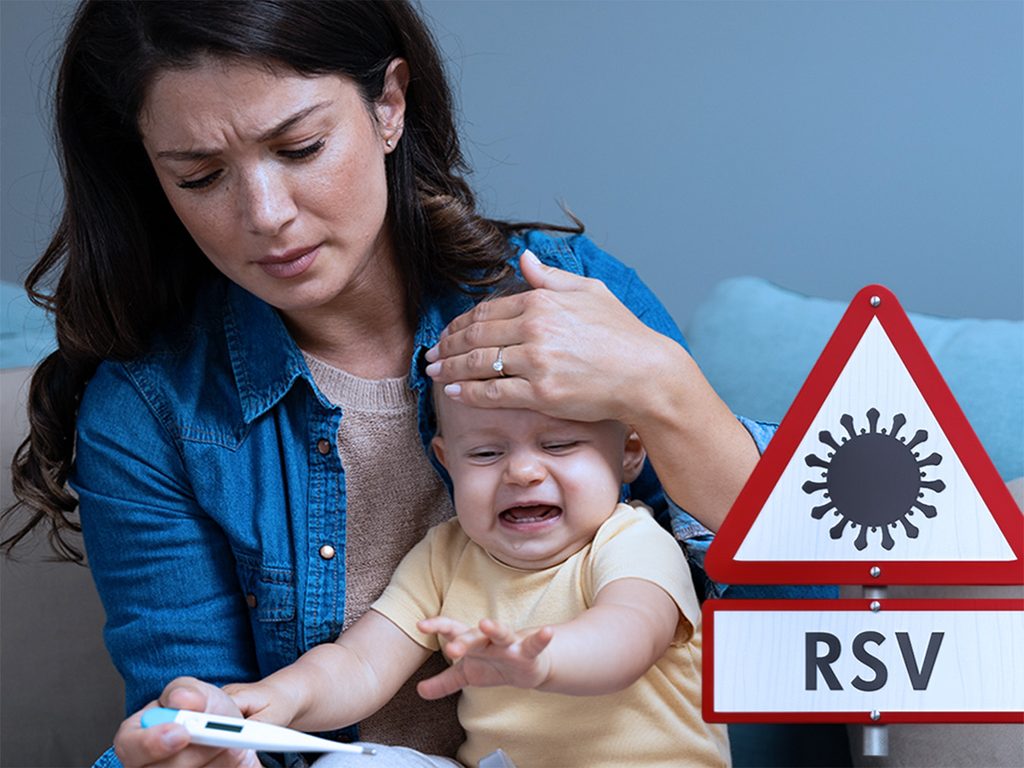
Despite being unfamiliar to many Australians, RSV is having serious impacts on infants. Australia records around 12,000 hospitalisations of babies under one due to RSV every year, making it one of the leading causes of paediatric hospital admissions, especially during the colder months. These rates are alarming- yet new research shows most Australians who are hesitant about RSV vaccination have never heard of the virus or know very little about it.
This is a gap that pharmacies are working hard to close- TerryWhite Chemmart pharmacies have administered more than 16,000 RSV vaccinations nationally this season alone. This marks a 400% increase year-on-year RSV vaccination rate, which is reflecting the growing shift Australia is seeing towards pharmacies becoming a frontline touchpoint for preventive care.
RSV isn’t new, but for a lot of families, it’s unheard of. It can be particularly dangerous for newborns and young babies, but the good news is protection is simple, free and easy to access. You don’t need to wait until someone gets sick to act.
1. Get vaccinated during pregnancy- timing matters
The most effective way to protect a newborn from severe RSV is maternal vaccination.
Vaccination during pregnancy is the best protection we have for infants. But a lot of people don’t realise that this vaccine is free, or maternal vaccinations are an option.
The maternal RSV vaccine is:
- Free under the National Immunisation Program
- Recommended between 28 and 36 weeks of pregnancy
- Proven effective – hospitalisations in babies under three months have dropped by 43.8% since the program began
This decrease in infant hospitalisations since the maternal RSV vaccine program began is significant. It shows that something as simple as having a five-minute conversation with your midwife, GP or pharmacist can make a meaningful difference for the health of your baby.
2. Protect young babies directly with infant immunisation
If you missed the maternal vaccine during pregnancy or are looking for further ways to protect your child, direct infant immunisation is another highly effective option.
While pregnant women can help protect their babies from birth by getting vaccinated, we can also give babies direct protection via infant immunisation programs. This serves as a critical shield, especially during autumn and winter when the risk of transmission peaks and hospitalisation rates rise.
What parents need to know about infant RSV immunisation:
- Who it is for: It is highly recommended for young infants under 12 months, as they are the most vulnerable to developing severe complications from the virus.
- Why it is critical: Without protection, RSV can move incredibly fast. While it looks like a common cold in older family members, in babies it can rapidly progress to severe breathing difficulties, bronchiolitis, or pneumonia.
If you have a newborn or a young baby, don’t wait until someone in the house is unwell to ask about protection. Speak to your pharmacist, GP, midwife, or immunisation provider about Australia’s infant RSV protection program. It provides an invaluable safety net during those critical first months.
Learn to spot the difference between a cold and something more serious
RSV often starts out with mild side-effects, which can make the illness hard to gage.
For most adults and older kids, RSV can look just like a common cold. But in babies, particularly those under six months, it can progress quickly to breathing difficulties, bronchiolitis or pneumonia.
Physical symptoms to watch out for:
- Rapid or laboured breathing
- Difficulty feeding
- Unusual lethargy or irritability
- Wheezing or persistent coughing
If you notice any of these signs in a young baby, acting quickly is critical. You should get them seen by a doctor immediately.
Build hygiene habits into the household routine
Simple hygiene measures remain an important layer of protection alongside vaccination.
Regular handwashing, especially before handling a newborn, makes a real difference. It’s a small habit, but it matters.
Other everyday steps include:
- Covering coughs and sneezes with an elbow, not hands
- Wiping down frequently touched surfaces, especially with older siblings in the house
- Keeping newborns away from crowded or enclosed spaces where possible during peak RSV season
Don’t send unwell children(or adults) near vulnerable family members
Family gatherings, especially with a new baby, are exactly when RSV can spread the fastest.
It might feel like just a cold, but if you’re unwell, it’s best to keep your distance from a newborn or an elderly relative until you’re better. It protects the people most at risk, and it’s one of the easiest things families can do.
Accessible protection for busy families
For pregnant women and new parents, convenience can make all the difference in getting protected on time.
Pharmacies are often the easiest place to have this conversation. You don’t always need to wait for a scheduled antenatal visit or GP appointment- a pharmacist can talk you through eligibility, explain the science in plain language, and often vaccinate on the spot.
The bottom line
RSV can shift quickly from looking like a mild cold to something much more serious, especially in very young babies. But we have real, effective tools to prevent that now. Getting informed and vaccinated early- during pregnancy, or as an eligible older Australian- is one of the simplest ways to protect the people you love.
Kate Gunthorpe (BPharm, GradCertAdvPracPresPharm, GradCertPubPolicy, MPS) is Deputy Chief Pharmacist for TerryWhite Chemmart, one of Australia’s largest community pharmacy networks. In her role, Kate supports pharmacists across the country to deliver safe, accessible clinical care in community pharmacy, including vaccinations and the expanding scope of pharmacist prescribing.