
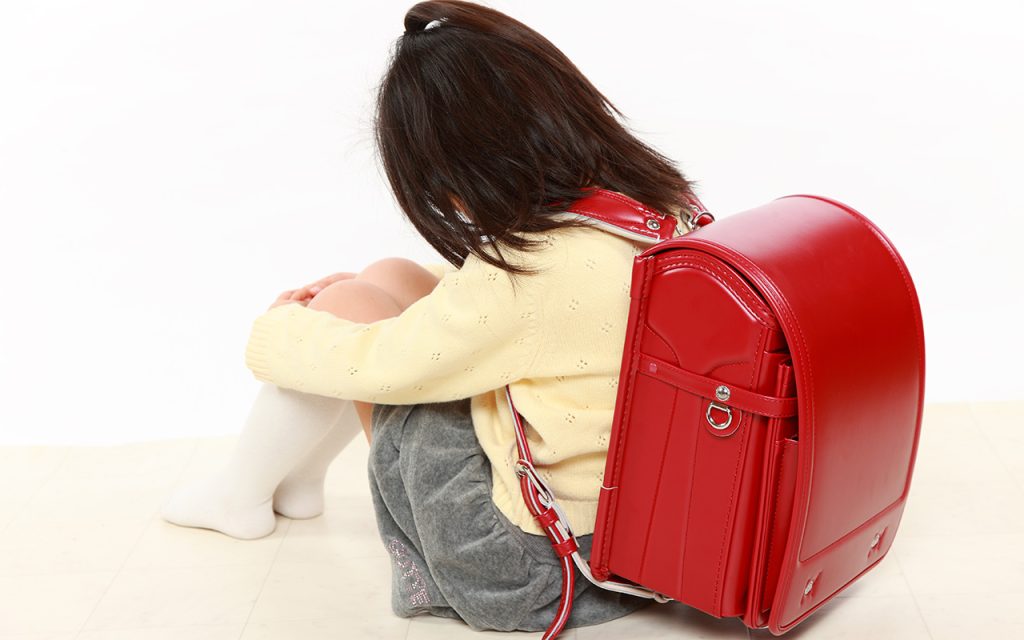
What is school refusal?
School refusal is when children get extremely upset at the idea of going to school and often miss some or all of the school day. This distress doesn’t go away.
School refusal can mean that children have trouble going to school or trouble leaving home, so they might not go to school at all. Children who refuse to go to school usually spend the day at home with their parents’ knowledge, even though their parents try hard to get them to go. School refusal is not a formal psychiatric diagnosis. It’s a name for an emotional problem.
Signs of school refusal
If your child refuses to go to school, you might feel that school nights and mornings are a ‘battle of wills’.
Your child might:
- Cry, throw tantrums, yell or scream
- Hide or lock themselves in their room
- Refuse to move
- Beg or plead not to go
- Complain of aches, pains and illness before school, which generally get better if you let your child stay at home
- Show high levels of anxiety
- Have trouble sleeping
- Threaten to hurt themselves.
School refusal can be an issue for children in both primary and secondary school, but it’s more common in children aged 5-6 years and 10-11 years.
Working with schools on school refusal
The best way to get your child back to school is by working as a team with your child’s school. It’s a good idea to start by talking with your child’s classroom teacher, home-room teacher or year coordinator.
Here are things you could cover:
Explain what’s going on for your child and why your child is refusing to go to school – for example, bullying, learning difficulties, mental health problems and so on. If your child is experiencing bullying, talk about how this is affecting your child. You could ask the school about their strategies to manage and prevent bullying.
Ask whether other support staff can help your child. These staff might include the student welfare coordinator, school psychologist or counsellor. Ask whether you can have regular updates on your child’s progress and support needs. If your child has a learning difficulty that makes it hard for them to enjoy learning, ask what support the school can offer. If your child needs ongoing support to stay engaged in school, ask the school about forming an attendance student support group. This group can work with you to find the best ways to support your child’s attendance.
Talk with the school about a gradual start back at school for your child. For example, your child might be able to start with a shorter school day or with their favourite subjects and build up from there. Children have the right to learn and develop in safe and healthy school environments. If school refusal is related to school-age bullying or teenage bullying, it’s always best to work with the school on the problem.
Working on school refusal at home, practical strategies:
Here are practical things you can do at home to encourage your child to go to school.
When you’re talking to your child:
- Show your child that you understand. For example, you could say,
‘I can see you’re worried about going to school. I know it’s hard, but it’s good for you to go. Your teacher and I will help you’. - Use clear, calm statements that let your child know you expect them to go to school. Say ‘when’ rather than ‘if’. For example, you can say, ‘When you’re at school tomorrow…’ instead of ‘If you make it to school tomorrow…’.
- Show that you believe your child can go to school by saying positive and encouraging things. For example, ‘You’re showing how brave you are by going to school’. This will build your child’s self-confidence.
- Use direct statements that don’t give your child the chance to say ‘No!’ For example, ‘It’s time to get out of bed’ or ‘Jo, please get up and into the shower’.
- When you’re at home with your child:
Stay calm. If your child sees that you’re worried, stressed or frustrated, it can make your child’s anxiety worse.
- Plan for a calm start to the day by having morning and evening routines. For example, get uniforms, lunches and school bags ready the night before, get your child to have a shower or bath in the evening, and get your child to bed at a regular time.
- Praise your child when they show brave behaviour, like getting ready for school. For example, you could say, ‘I know this is hard for you, but I think it’s great that you’re giving it a go. Well done’.
- Make your home ‘boring’ during school hours so that you don’t accidentally reward your child for not going to school. This means little or no TV or video games and so on. You could think about not letting your child use their phone during school hours.
- Get your child to do work provided by the school while at home. This will help to make sure your child doesn’t fall behind.
Getting to school
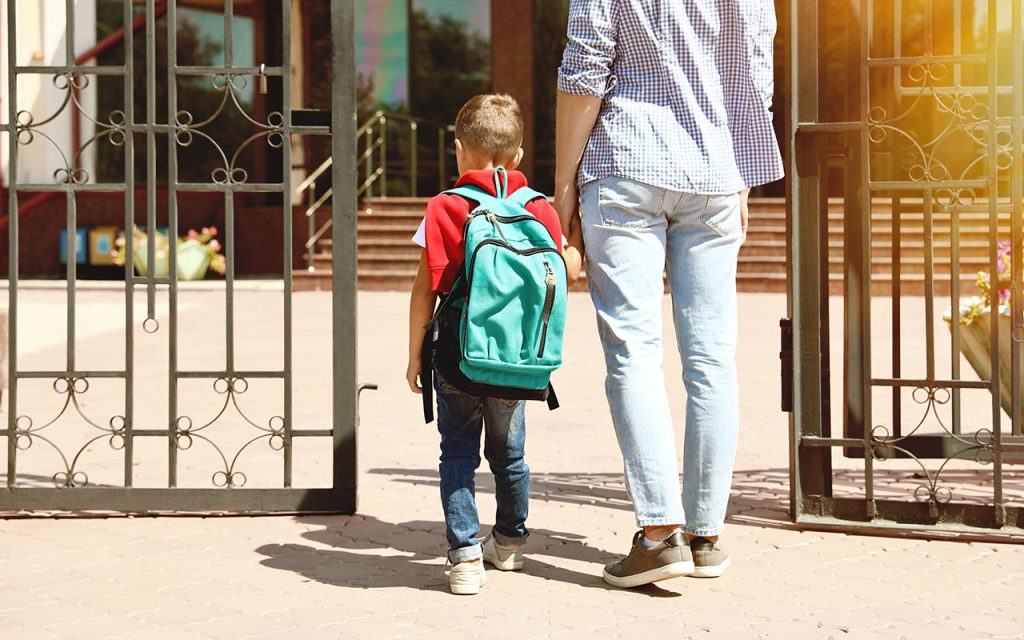
Get someone else to drop your child at school, if you can. Children often cope better with separation at home rather than at the school gate.
Praise your child when they actually go to school. You could also consider rewarding them. For example, if your child goes regularly, they could earn bonus technology time, a special outing with a parent to their favourite park, or their favourite meal for dinner.
Your child needs your love and support to get back to school. So focus on any efforts your child makes to go back, be patient with your child’s progress, and try to keep any frustration to yourself. This will help your child build the confidence they need to get back to school regularly.
Raisingchildren.net.au provides free, reliable, up-to-date and independent information to help your family grow and thrive together. We’re funded by the Australian Government, reviewed by experts and non-commercial, so you know you can trust us.