
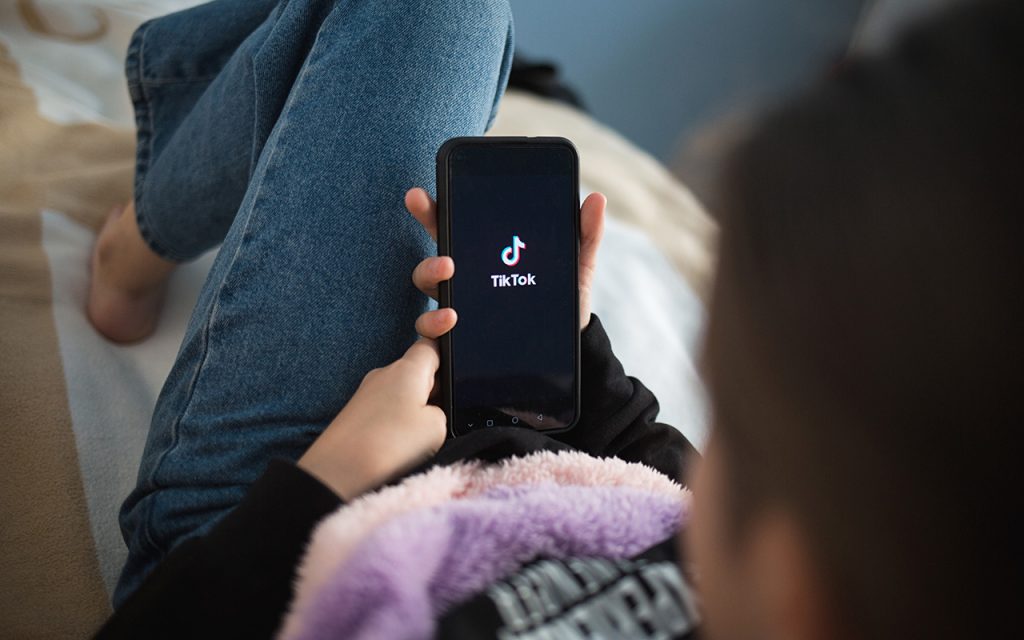
As Australia’s social media ban for under-16’s edges closer, children are already worried about losing touch with their friends. But while the onus is on social media platforms to act, researchers at the University of South Australia say the real battle will be at home – where parents must enforce the rules, manage their children’s reactions, and help them adjust. The key to a smoother transition is education, reassurance, and open, age-appropriate conversations.
The first step is understanding why social platforms matter to kids. Many children and teens use apps like Snapchat and TikTok to connect with their friends. They’ve grown up with this technology – it’s part of who they are – and they’re used to communicating through videos, emojis, photos and filters. When the ban kicks in, kids may feel like they’re facing a social penalty where they won’t be able to connect with their friends in the same way. The fear of losing touch with friends is real, so parents will need to invite questions and show understanding and empathy about what their kids will see as a loss.
Brainstorm alternative ways to stay connected. If they liked TikTok dances, an app like Just Dance could suit; if they want to chat, use closed group chats or messaging apps; and if they enjoy gaming, find multiplayer games where they can connect safely. Supporting kids through this is about empathy – and keeping the lines of communication open.
From December 10, major social media platforms including TikTok, Snapchat, Instagram, Facebook, YouTube and Reddit must take ‘reasonable steps’ to stop under-16s creating accounts. While the new legislation aims to protect kids from harmful content, its success depends on what happens at home – through education and consistent guidance.
Parents should talk with their children about online safety – why it’s important to protect personal information like your full name, address and passwords; who it’s okay to connect with; and how to behave kindly and respectfully. They should also teach kids to think before they post anything – photos, comments or information – because once something’s online, you can’t take it back.
Young brains are especially vulnerable to social media because they crave peer feedback and attention. This makes them more likely to take risks or react quickly without thinking about the consequences. Encourage kids to ask, ‘Would I say this to someone’s face?’ or ‘Would I show this to my mum?’ before posting or commenting. If the answer is ‘no’, then it’s probably not appropriate.
With rising rates of online bullying, coercion and sextortion, researchers say it’s vital that parents take the ban seriously. The social media ban isn’t ‘safetyism’, or evidence of a ‘Nanny State’; it’s an essential move to protect kids from online predators and risks. Parents should educate themselves about the platforms and games their kids use so they can have informed conversations. Non-judgemental, ongoing dialogue is essential.
As children tend to imitate adult behaviour, parents can also be powerful role models. Avoid excess screen time yourself and set up screen-free times for the whole family, like dinner and bedtime. This makes boundaries predictable and shows your kids what a healthy balance looks like. Connect with your kids. Show them how you can have fun together – whether it’s board games, movie nights, or taking advantage of daylight savings for a bike ride after dinner.
The convenience of screens and social media has caused havoc. Perhaps we all need to wind the clock back and remember what life was like before screens. It’s time we took control –for our sake, and for the safety and wellbeing of our kids.

Quick tips to know about guiding kids through the social media ban:
- Get informed about new platforms and trends – Kids move quickly to new apps. Keep an eye on emerging platforms and talk about them before your child joins – explore the platforms, games and media kids are using and explore the benefits and risk of these.
- Educate kids about online safety – Talk openly about the benefits and risks of the internet, what’s safe to share, how to protect personal information, and what to do if something online feels uncomfortable and even if they think they have done something wrong online. They need to know that you are always there to help them even if they have done something wrong.
- Have open and age-appropriate conversations – Talk about what they do and see online and how it makes them feel. Stay open and provide a safe place to share
- Understand and empathise – Acknowledge your child’s feelings of loss of freedom or control. Let them know you understand but explain that safety and their wellbeing comes first.
- Model healthy behaviour – Show balance in your own screen use and set family-wide screen-free times (like during dinner or before bed).
- Create consistent routines – Make boundaries predictable with regular habits, such as tech-free zones or times.
- Encourage alternatives – Support hobbies, sport, and offline fun to keep kids socially connected in healthier ways. Arrange family or peer connection like movie or game nights.
Lesley-Anne Ey is a child safety and wellbeing expert and Associate Proffessor at UniSA.