
By Mandy Sacher
Walk down any baby or snack aisle and you’ll see a sea of promises: ‘natural’, ‘no added sugar’, ‘made with organic ingredients.’ As parents, we want to make the best choices for our children – but what if many of these so-called healthy options aren’t what they seem?
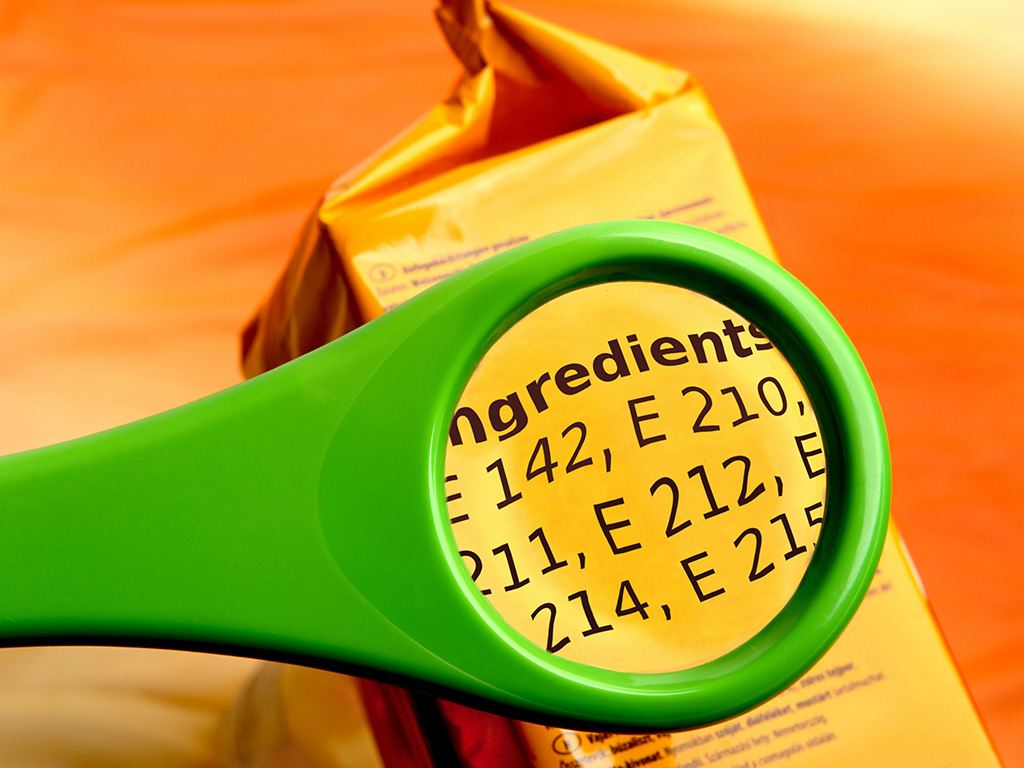
Behind those wholesome-looking labels often hide fruit concentrates, sweeteners, emulsifiers and preservatives; ingredients that can impact a child’s developing body and brain in subtle but significant ways.
Why it matters
Children’s nutrition plays a powerful role in everything from mood and sleep to concentration and gut health. Research has linked certain additives and sweeteners to inflammation, fussy eating, and even behavioural issues. Hidden sugars can cause energy crashes and affect attention, while overly processed foods can dull children’s tastebuds to the flavours of real food. Over time, these early food choices shape lifelong habits – and that’s where the problem starts.
Parents want to make safe choices but are navigating misinformation from labels, marketing, and social media. But there’s a big knowledge gap between how confident parents feel and what they actually know about food additives and labelling. In fact, new research from Bellamy’s Organic has found that while 67% of Australian parents feel confident reading food labels, only 14% are truly informed about additives and preservatives in children’s food. Clever marketing claims can easily mislead even the most vigilant parents.
So how can families cut through the confusion and make choices that genuinely nourish growing bodies and minds?
1. Keep it simple
When it comes to feeding children, simplicity really is best. A shorter ingredient list usually means fewer additives and less processing. Start by flipping the pack and reading the back rather than the front – where all the marketing magic happens.
If you don’t recognise an ingredient or wouldn’t use it in your own kitchen, it probably doesn’t belong in your child’s lunchbox. Be wary of terms like ‘fruit concentrate’ or ‘natural flavour,’ which often mask added sugars or synthetic blends.
Where possible, look for certified organic products rather than items that simply say ‘made with organic ingredients.’ Certified products have to meet strict standards that limit artificial additives, ensuring what you’re buying is genuinely clean.
2. Make it from scratch (where possible)
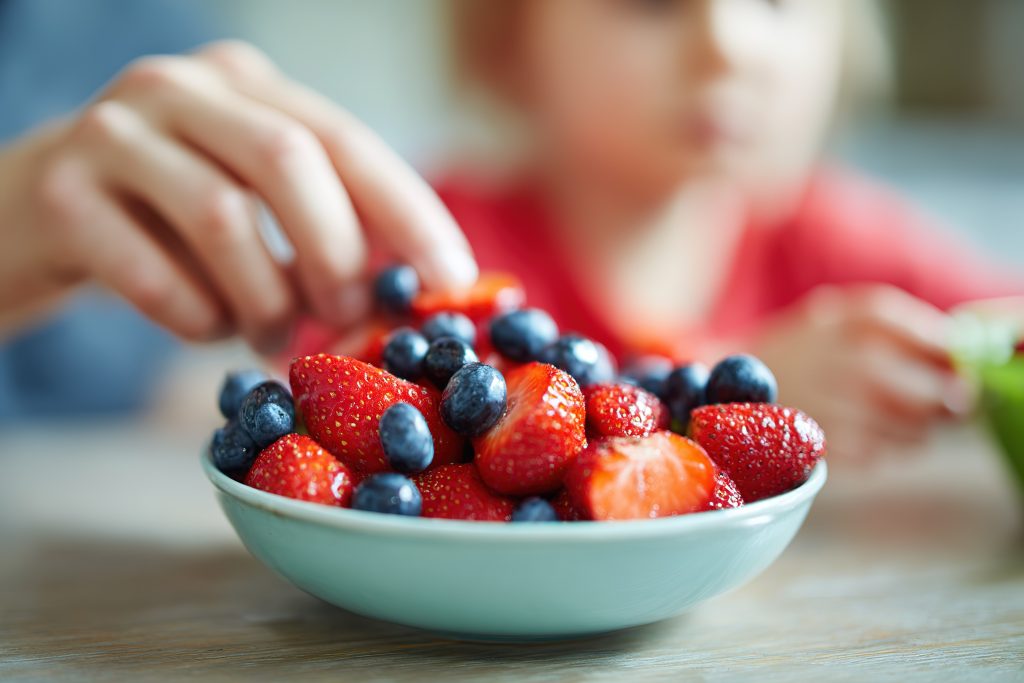
Cooking from scratch doesn’t have to mean spending hours in the kitchen. Even simple swaps – like baking a batch of mini muffins instead of buying packaged snack bars, or blending fruit and yoghurt into icy poles – can make a huge difference.
Homemade snacks let you control the sugar, avoid preservatives, and teach kids what real food looks and tastes like. Batch-cooking and freezing portions can help families stay organised during the week, while saving money in the long run.
3. Shape healthy habits early
Children learn by watching us. If they see parents enjoying real, whole foods, they’re more likely to follow suit. Early exposure is key: offering a wide variety of natural, minimally processed foods helps shape a balanced palate for life.
Mealtimes don’t have to be perfect. They just need to be positive. Let your kids explore flavours and textures, help with cooking, and have fun in the kitchen. The goal isn’t rigid ‘clean eating,’ but encouraging curiosity and confidence around food.
By building a healthy food culture early, parents can reduce the reliance on packaged snacks and foster lifelong habits that support energy, focus, and wellbeing.
4. Eliminate the synthetic additives
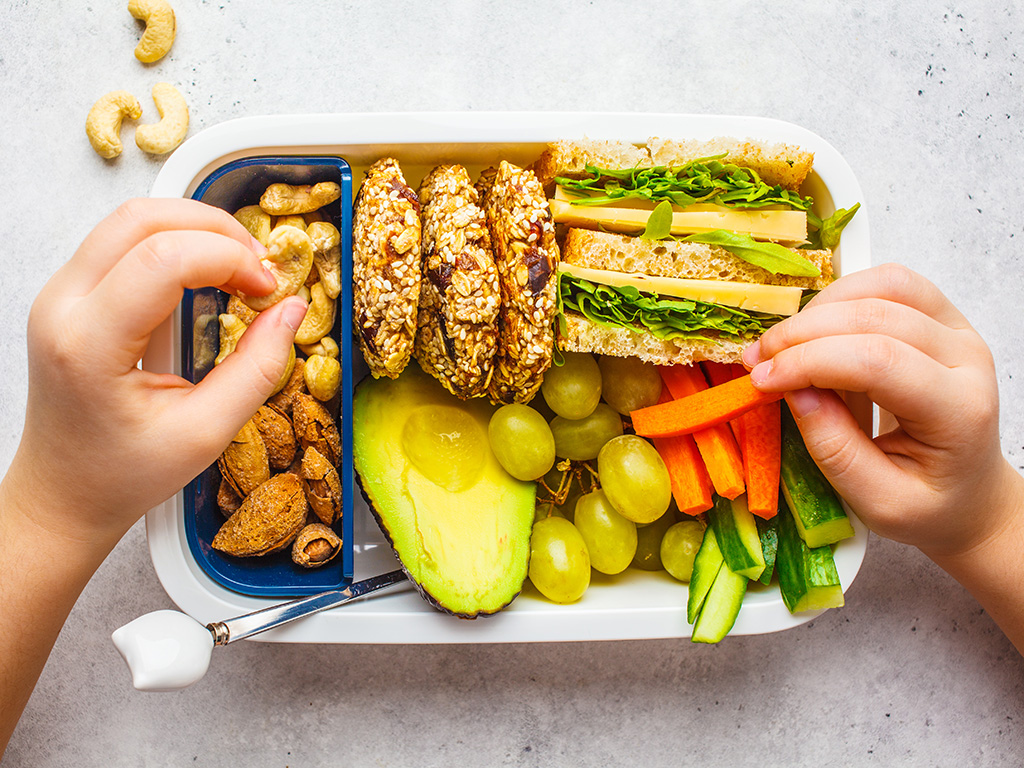
One of the most effective ways to reduce your child’s exposure to synthetic chemicals is to choose organic foods, especially for babies and toddlers whose detoxification pathways are still developing. Certified organic products are grown and made without synthetic pesticides, artificial colours, flavours, or preservatives thereby helping parents avoid many of the hidden additives that can affect gut and brain health.
But it’s important to remember that not all products claiming to be organic meet the same standards. Look for brands that hold certified organic status and are transparent about their sourcing, ingredients, and manufacturing processes.
Bellamy’s Organic is one example of a company that champions these principles, offering certified organic, age-appropriate foods and educational resources to help parents navigate the confusing world of kids’ nutrition.
When you find brands that align with your values, whether that’s organic certification, sustainability, or clean ingredients, stick with them. Trust, transparency, and education are just as important as taste.
The bottom line
Food marketing can be misleading, but parents have the power to cut through the noise. Stick to simple ingredients, cook what you can from scratch, and choose certified organic brands you trust. It’s not about perfection – it’s about progress, and making small, informed choices every day that set your child up for lifelong health.
Mandy Sacher is Australia’s leading paediatric nutritionist, the founder of Real Food Rating, and a passionate advocate for children’s health and wellbeing. She is the author of The Unfussy Eaters Club (Murdoch Books), a practical, evidence-based guide to raising confident, adventurous eaters. She is also an ambassador of Bellamy’s Organic, a certified organic infant formula and baby food brand in Australia.