

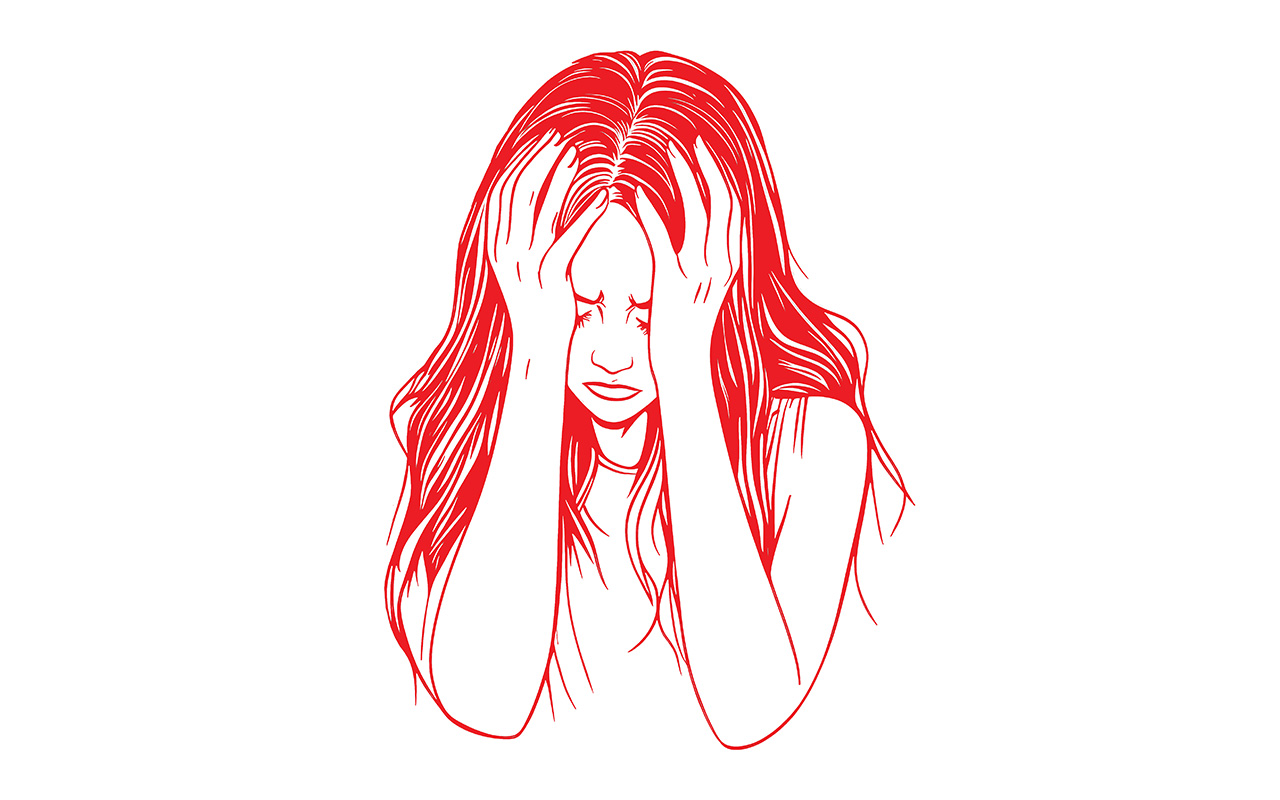
Nothing quite prepares you, as a parent, for the moment your child stops being able to hold it all together. The sudden collapse of the smile, the spark, the motivation. The moment when their pain no longer hides behind school routines and friendships, and instead spills into the home in the most heartbreaking of ways. And yet, stories like these are quietly unfolding in homes and schools everywhere.
We are raising young people in a world that’s louder, faster, and more complex than the one we grew up in—and they are struggling. We see it in the school refusal, the friendship breakdowns, the emotional outbursts, and the quiet disconnection. But often, by the time we see it, they’re already at breaking point.
As a mother, educator, and someone who has lived through this, I feel compelled to share what I’ve learned—not as an expert, but as someone who has sat on the kitchen floor with a child who didn’t want to be here anymore and had to figure out how to keep going.
What we’re missing
So much of what we label as “bad behaviour” is actually unspoken pain. Young people lash out, withdraw, or self-sabotage when they don’t have the words — or the space — to say what they’re really feeling. And more often than not, these behaviours are part of complex social dynamics that unfold beneath the surface.
I’ve seen this in classrooms and around dinner tables: the friend who turns on someone in the group, the child who justifies cruelty because of fear or loyalty, the student who bullies out of insecurity, and the child who becomes the target and doesn’t know how to make it stop.
The truth is that good kids can do harmful things when they’re emotionally overwhelmed or disconnected from themselves. And until we stop treating behaviour as the whole story, we will keep missing the chance to truly help them.
What can we do?
Over the past few years, through both personal experience and professional learning, I’ve come to believe that emotional education is the missing piece. Not just for students, but for the whole community around them.
Here are five things that make a real difference:
- Recognise that hurt people CAN hurt people
Behaviour is often a mask for fear, shame, or insecurity. If we want to address what’s happening on the outside, we need to understand what’s happening within. - Normalise mental health conversation
Silence and secrecy create shame. When we speak openly about emotional struggles, we make it safer for young people to do the same. - Teach the ‘why’ behind emotions
Self-awareness isn’t fluffy; it’s foundational. When kids understand their own inner world, they’re better equipped to respond instead of react. - Model accountability
It’s not about being perfect but rather it’s about showing them how to repair. When adults own their missteps, young people learn it’s safe to grow from theirs. - Use story to build empathy
Every child has a story we don’t know. When we lead with curiosity instead of judgement, compassion becomes possible.
Support for the adults, too
What I’ve also learned is that this work isn’t just for young people, it’s for us, too. In parent sessions I now run, I’ve watched adults come to powerful realisations about the role they unknowingly play in their children’s emotional world. One father once said to me, “I thought I was supporting my son, but I realised I was just pushing my own fears onto him.” That kind of insight changes families.
Teachers and school staff, too, need tools that look beyond behaviour. Emotional intelligence frameworks like the SCARF model (which explores social triggers such as status, fairness, and connection) and the Iceberg Model (which looks beneath behaviour to the emotions, values, and unmet needs underneath) offer a lens that brings greater understanding and a more human approach to discipline and support.
A different future is possible
There’s no easy fix, but there is a better way forward; one grounded in awareness, empathy, and the courage to look inward as much as you look outward. If you’re a parent or educator navigating this terrain, I want you to know that you are not alone; there is no shame in struggle, and there is always room to grow. As for my daughter; she, like so many teenagers, is still figuring out who she is. But she’s still here, and for that, I am endlessly grateful.
I’ve since dedicated my work to emotional intelligence education, not just because it helped save our family, but because I believe it can change the culture of every school and every home that’s willing to do the work. “We’re all doing the best we know how, but when we know better, we can be better.”
Amanda Stokes is an educator, facilitator, and the founder of The Knowing Self – a program that supports emotional awareness, psychological safety, and stronger relationships across school communities. Her work draws from both professional experience and personal lessons learned the hard way. To learn more, visit www.theknowingself.com.au