
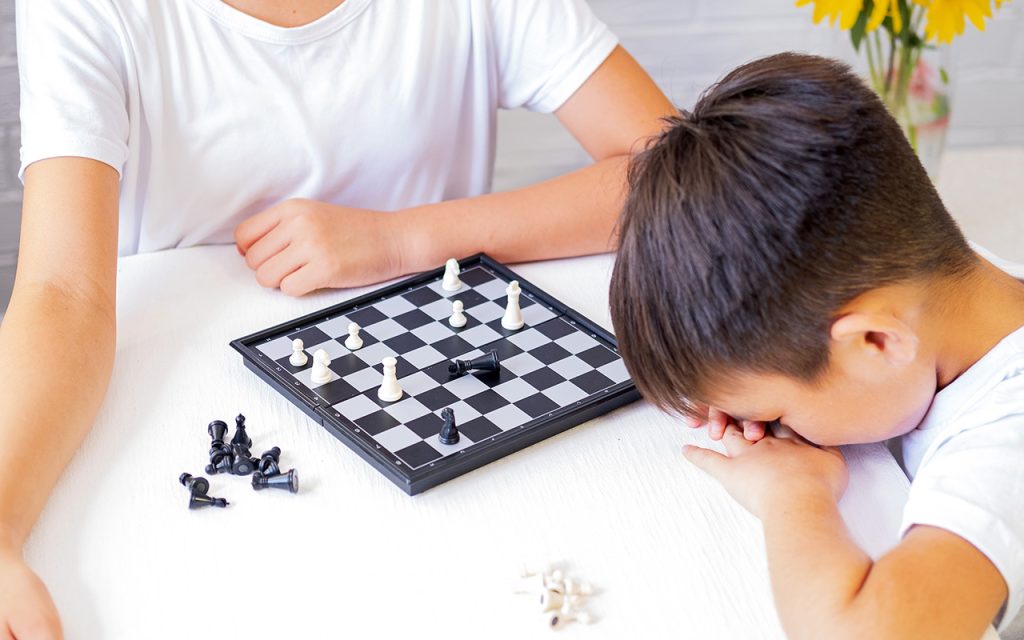
An important aspect of fundamental emotional development which can be easily missed out on is learning to lose. Learning to lose is crucial for building a healthy self-esteem in children because it teaches resilience, coping with disappointment, adaptability and perspective.
It is vital for children to understand that setbacks are a normal part of life, and it doesn’t mean that they have failed, or that they are a failure. Supported setbacks actually help foster a mindset that focuses on effort rather than solely on winning. Too many kids tie their value to achievement, and it’s leaving them anxious, perfectionistic, and quietly overwhelmed.
Our self-esteem is really critical in how we see ourselves and we know that having poor self-esteem is directly linked to poor mental health such as depression and anxiety. Data from the Australian Institute of Health and Welfare shows one in seven children and adolescents aged 4 to 17 experienced mental illness while around 50% of adult mental illness begins before the age of 14.
While we never want to see our children struggle or face stressful situations, purely just to “build resilience”, the truth is that life isn’t always fair, and they will inevitably face challenges that we can’t and shouldn’t be fixing for them.
Not every child is going to be great at sport, but they don’t have to be. It’s about helping them find enjoyment and praise their effort over the outcome: otherwise we are linking achievement to self-esteem. From school results to weekend sport, today’s culture of constant performance is teaching children that their worth depends on being the best. If they’re not top of the class or winning awards, they assume they’re not good enough.
Even well-meaning praise can backfire. If we overpraise or sugar-coat everything, kids stop trusting it or become addicted to it. Either way, they don’t learn to feel secure in themselves. Instead, shift the focus from performance to effort, from outcomes to resilience. Real confidence comes from having support to do hard things, not from avoiding discomfort. Frustration, failure, boredom, they’re not problems to solve. They’re essential parts of growing up and building resilience and emotion regulation skills.
There is also the consideration that children who excel can feel that a particular sport is their only identity. It’s important that they feel successful about themselves outside of their chosen sport.
Five tips for boosting self-esteem in children:
Let them practice losing
Playing cards or board games at home allows children to practice the uncomfortable feelings of losing at home with your support so that come game day, or those tricky moments at school, they feel prepared to handle those feelings in the heat of the moment. Children should learn to play by the rules and have respect for their opponents and the importance of team work and vital social skills.
Role model losing
Let them see you make mistakes too. If they can see that it is okay when their favourite person makes mistakes or doesn’t win, then they will feel a lot better when they do it too.
Place emphasis on effort not on achievement
Celebrate the effort they have made, rather than the outcome they achieve. This might include comments like “I can see you tried really hard on your maths this week. I know how tricky it was, but you didn’t give up”. In sport, it might be something like “That was a really tough game, but you didn’t give up. You were such a good sport at the end when you went and shook the other team’s hands even when you were feeling disappointed.”
Allow the feelings and be the safe harbour
Sometimes, even when you have prepared, your kids are going to be sad that they lost the race or they didn’t win the award. These feelings are normal. Our job as parents is to allow their big feelings, and ride it out with them. In doing this, we help them learn to regulate their big feelings through co-regulation with us; we show them that feelings are okay and it is what you do with them that matters.
Show up
Just being there and supporting your child shows them that you love them just as they are; that you take absolute delight in them whether they are winning or not.
Tanya Forster is a psychologist and founder of Confident Parenting, an online, self-paced program that gives parents practical, psychologist-backed strategies to navigate behavioural challenges and raise emotionally resilient children.
tanyaforster.com.au