

Sleep is incredibly important for children’s health and wellbeing. It regulates their emotions and helps them grow and develop. So, what happens when they don’t get enough sleep?
Sleep needs vary by age, but most school-aged children require 9–11 hours of sleep each night, with teenagers needing 8–10 hours. Many families struggle to achieve these targets, particularly during busy school terms or hot summer nights, leading to sleep problems being common. Research suggests around one in five Australian children are not getting enough sleep, and more than 40 percent experience difficulties with their sleep patterns.
Have you ever noticed that your child seems irritable after a poor night’s sleep? They wake up grumpy, find it harder to focus, and are generally more emotional. As adults, we know how difficult it can be to engage well with the world when we’re tired, but for young people, it’s even harder – everything feels bigger and reactions can be more intense. Yet, the consequences of poor sleep extend far beyond being a bit grumpy with research showing that insufficient sleep can significantly impact physical and mental health, as well as school performance.
When children and teens aren’t getting enough sleep we may see a change in their eating behaviours. A restless night can lead to slower movement in the morning, running late and often skipping breakfast. While the immediate goal might be getting them into the car and off to school, missing breakfast usually means children arrive at school hungry, which reduces their ability to focus and learn.
Sleep also affects how we eat. Sleep plays an important role in regulating the hormones that let us know when we are hungry or full. When a child or teen doesn’t get enough sleep, it becomes harder for them to regulate both their appetite and food choices. It’s easy to picture hungry teens scouring the kitchen for late night snacks; and when they’re tired, they’re far more likely to reach for a pack of chips than a nutritious option that supports growing bodies and brains.
Sleep is also vital for growth. I’m sure you’ve heard a parent exclaim ‘you’ve grown overnight!’; in some ways, that’s not far from the truth. Human Growth Hormone, which supports growth and repair, is released when we sleep. When children and teens regularly miss out on sleep, their growth and development can be affected.
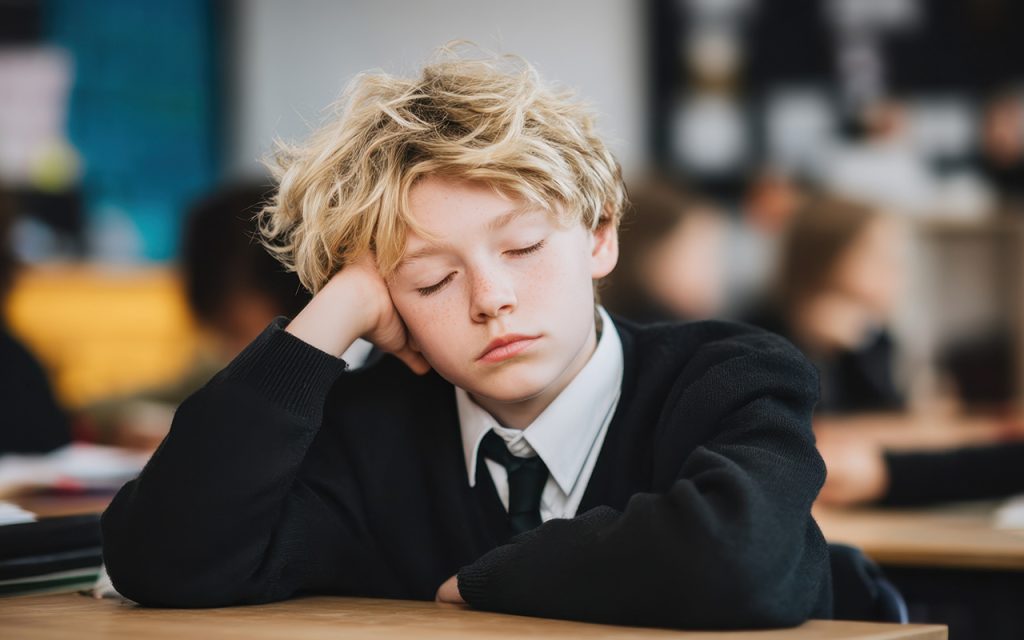
Adolescence is a period when young people are particularly vulnerable to mental health concerns. Research shows a strong two-way relationship between sleep and mental health. Young people experiencing mental health challenges such as anxiety or depression are more likely to have sleep difficulties while poor sleep can also contribute to worsening mental health. Understanding this relationship is essential for adults supporting teens during a challenging stage of life.
Extensive research also shows that teens who get less sleep perform more poorly at school. Sleep is important for every step in the learning process; from paying attention to the teacher, remembering material, interpreting and understanding test questions, and responding effectively in assessments. When children and teens are not getting enough sleep, their schoolwork will almost certainly suffer.
Knowing how important sleep is, how can we help young people get enough of it? The starting point is for parents and children to work together to improve sleep habits. Firstly, it’s important that children understand why sleep matters. When young people know the consequences of poor sleep, they are more likely to prioritise it, rather than seeing bedtime as something parents simply impose.
From here, it helps to think about behaviours around bedtime that could help (or hinder) sleep. A cool, dark, quiet bedroom is a good start, as these conditions promote sleep. It’s also helpful to use the bedroom primarily for sleep so that the brain learns to associate that space with rest, which means avoiding TVs or gaming stations in the bedroom.
Going to bed at roughly the same time every night and waking at the same time every morning also helps the body establish a natural rhythm, improving sleep by signalling when we should be asleep and when we should be awake. Parents can also work with their children to develop a relaxing pre-bedtime routine that signals it’s time to wind down. This might include putting away technology an hour before bed, a warm bath or shower, reading a book, journalling, or colouring in. The key is choosing activities the child or teen finds calming and enjoyable.
Finally, the best sleep habits are often the ones children see modelled by their parents. It can be hard for young people to understand why they must put their screens away if adults continue scrolling or watching television late into the night. When parents prioritise their own sleep, children are far more likely to do the same.
After all, good sleep isn’t a luxury; it’s one of the most powerful investments we can make in our children’s health, learning and future.
Dr Alex Agostini is a sleep expert with the School of Psychology at Adelaide University.